SMSTS vs SSSTS: Which Course Do You Need?

If you’re looking to progress your career in construction, you’ve probably come across two of the industry’s most recognised health and safety qualifications: the SMSTS course and the SSSTS course. Both are CITB Site Safety Plus qualifications designed to improve safety standards on construction sites, but they are aimed at different job roles and levels of responsibility.

Understanding the difference between SMSTS and SSSTS is essential if you want to choose the right course, comply with employer requirements, and take the next step in your construction career.

In this guide, we’ll explain what each course covers, who should take them, and how to decide which qualification is right for you.
What does SMSTS stand for?

SMSTS stands for Site Management Safety Training Scheme.

The course is designed for construction professionals who are responsible for planning, organising, monitoring, and managing construction work and teams on-site. The standard SMSTS course is delivered over five days and covers a broad range of health and safety topics relevant to site management.

SMSTS is widely regarded as one of the leading health and safety qualifications for construction site managers and is often required by major contractors and employers across the UK.

Large text saying site management safety training scheme (smsts) in multiple colours

What does SSSTS stand for?

SSSTS stands for Site Supervision Safety Training Scheme.

The course is aimed at individuals who have, or are about to take on, supervisory responsibilities within the construction industry. It focuses on helping supervisors understand their legal duties, conduct risk assessments, deliver toolbox talks, and maintain safe working practices. The course is typically delivered over two days.

SSSTS is often the first formal health and safety qualification undertaken by site supervisors, foremen, team leaders, and chargehands.

Large text saying site supervision safety training scheme (sssts) in multiple colours

SMSTS vs SSSTS: What’s the difference?

Although both qualifications focus on health and safety within construction, they are designed for different levels of responsibility.

FeatureSSSTSSMSTS
Intended ForSite SupervisorsSite Managers
Duration2 Days5 Days
Responsibility LevelSupervisoryManagement
FocusSupervising safe work activitiesManaging overall site safety
Certificate Validity5 Years5 Years

Both qualifications are valid for five years and require a refresher course before expiry to maintain certification. AT TVCTA we also offer the SMSTS Refresher Course and the SSSTS Refresher Course.

Who should take the SSSTS course?

The SSSTS course is ideal if you:

  • Have recently been promoted to a supervisor role
  • Manage a small team of operatives
  • Deliver toolbox talks
  • Monitor daily site activities
  • Need a recognised construction health and safety qualification

Typical job roles include:

  • Site Supervisor
  • Foreman
  • Chargehand
  • Team Leader
  • Working Supervisor

The course provides the knowledge needed to supervise safely while understanding your legal responsibilities.

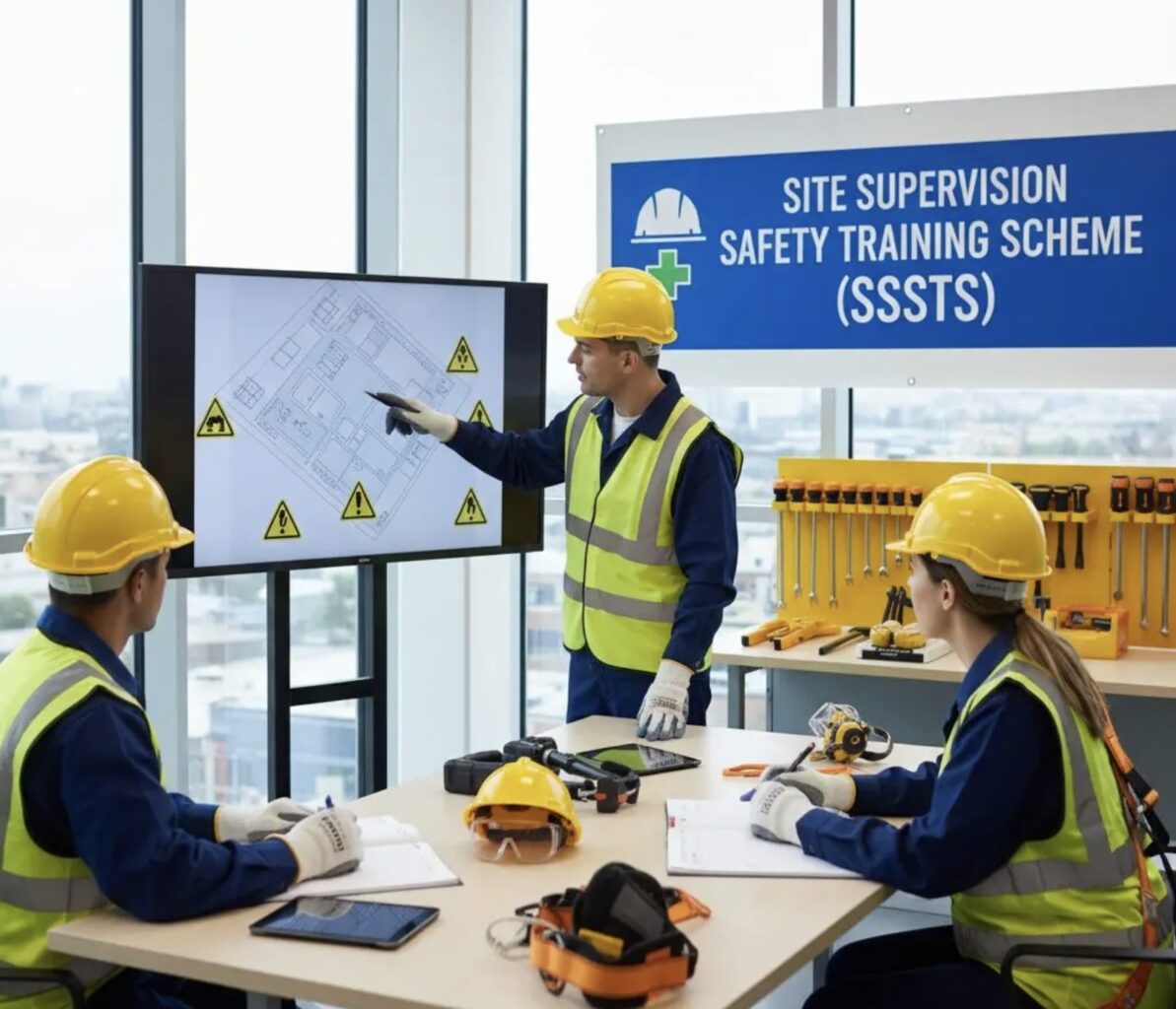
classroom full of people with main whiteboard reading site supervision safety training scheme (sssts)

Who should take the SMSTS course?

The SMSTS course is intended for individuals with overall responsibility for site operations and workforce management.

Typical job roles include:

  • Site Manager
  • Construction Manager
  • Project Manager
  • Contracts Manager
  • Senior Site Supervisor

The course covers construction legislation, risk management, environmental issues, occupational health, and leadership responsibilities.

If you’re responsible for planning work, managing subcontractors, and ensuring compliance across an entire site, SMSTS is generally the more appropriate qualification.

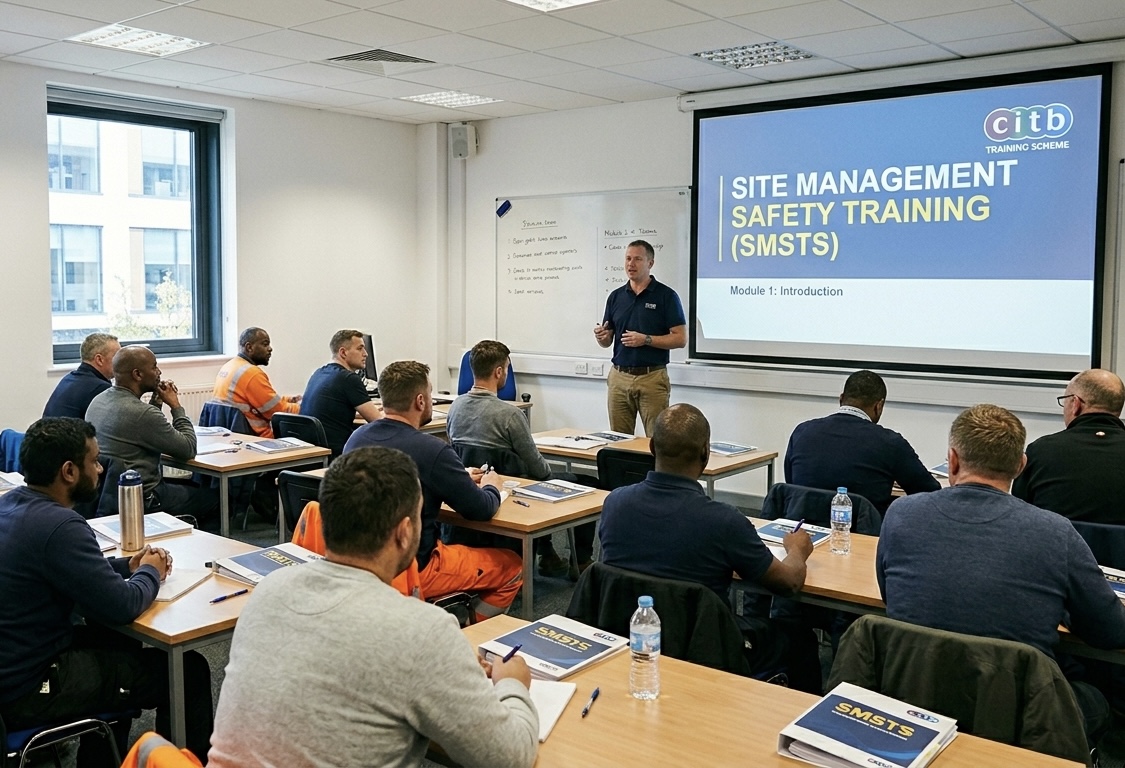
classroom full of people with main whiteboard reading site management safety training scheme (smsts)

Can you progress from SSSTS to SMSTS?

Absolutely.

Many construction professionals begin with SSSTS when they first move into a supervisory role. As their responsibilities increase and they progress into management positions, they then complete the SMSTS course.

This progression route is common throughout the construction industry and provides a solid foundation in health and safety management.

Which qualification do employers prefer?

The answer depends on the role.

For supervisory positions, employers will often expect candidates to hold SSSTS. For management positions, SMSTS is frequently considered the industry standard and may be a contractual requirement for working on larger projects.

Holding the correct qualification demonstrates competence, commitment to safety, and an understanding of construction legislation.

Do SMSTS and SSSTS expire?

Yes.

Both certificates remain valid for five years. Before the expiry date, delegates should complete the relevant refresher course to maintain their qualification. Failure to renew before expiry may require completing the full course again.

Other construction safety courses to consider

Depending on your role, you may also benefit from additional training such as:

SMSTS vs SSSTS: Our final verdict

Choosing between SMSTS and SSSTS comes down to your current role and future career ambitions.

Choose SSSTS if you supervise operatives and are responsible for day-to-day site activities.

Choose SMSTS if you manage projects, oversee site operations, and carry overall responsibility for health and safety compliance.

Both qualifications are highly respected across the UK construction industry and can significantly improve your employability and career prospects.

Book your SMSTS or SSSTS course with TVCTA

At TVCTA, we provide accredited construction health and safety training designed to help construction professionals meet industry requirements and progress their careers.

Whether you’re stepping into your first supervisory role or managing large-scale construction projects, our experienced trainers can help you gain the qualifications you need.

Browse our SMSTS and SSSTS training courses today or contact our team for expert advice on choosing the right course for your role.

Share this post