Can You Work on Site Without a CSCS Card?

One of the most common questions asked by people entering the construction industry is:

“Can you work on site without a CSCS card?”

The simple answer is yes, in some circumstances you can work on a construction site without a CSCS card. However, most employers, principal contractors, and major construction companies will require one before allowing you onto site.

In this guide, we’ll explain when a CSCS card is required, whether it’s a legal requirement, the exceptions to the rule, and how you can quickly obtain the right card for your role.

What is a CSCS Card?

A CSCS (Construction Skills Certification Scheme) card demonstrates that an individual has the appropriate training, qualifications, and health and safety knowledge needed for their role in the construction industry.

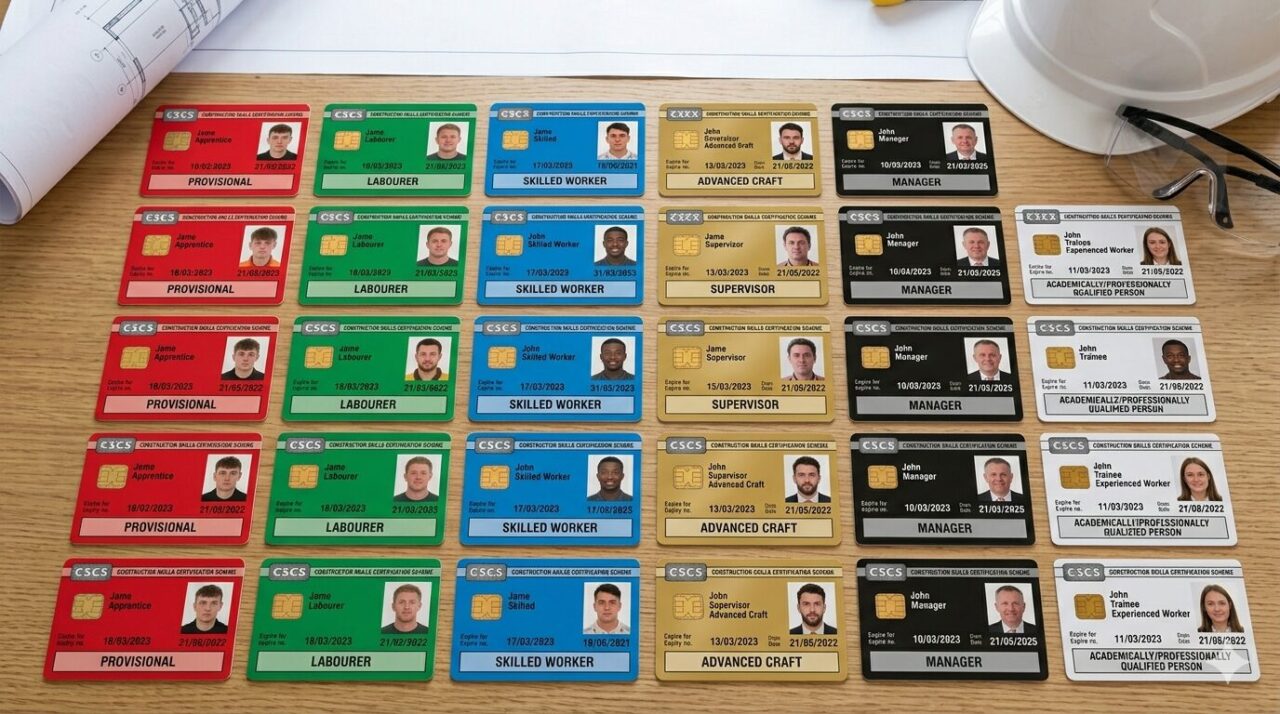
There are several different card types available depending on your occupation, qualifications, and level of experience, including:

  • Green Labourer Card
  • Red Trainee Card
  • Blue Skilled Worker Card
  • Gold Supervisor Card
  • Black Manager Card

Each card helps employers verify that workers have the competence required to work safely on site.

All coloured CSCS cards laid out on a table

Is a CSCS Card a legal requirement?

This is where many people become confused.

No, a CSCS card is not a legal requirement under UK law. There is no legislation stating that construction workers must hold a CSCS card before they can work on a construction site.

However, the law does require employers to ensure workers have the necessary skills, knowledge, training, and experience to carry out their work safely. A CSCS card is one of the most widely recognised ways of demonstrating this competence.

An adult, seen from behind, in a 'DURKAN' branded safety vest and white hard hat, gesturing and speaking to a group of smiling and attentive students, who are all dressed in yellow hard hats and safety vests, on a sunny construction site.

Why do most construction sites require a CSCS Card?

Although not legally required, most major contractors operate a “no card, no entry” policy. Many sites will refuse access to workers who cannot provide evidence of the appropriate qualifications and health and safety training.

There are several reasons for this:

  • Improved site safety
  • Easier verification of worker competence
  • Compliance with contractor policies
  • Reduced risk of accidents
  • Meeting client and insurance requirements

For this reason, obtaining a CSCS card is often essential if you want to secure regular employment within the construction industry.

When can you work without a CSCS Card?

There are some situations where a CSCS card may not be required.

These can include:

Working on Smaller Projects

Some smaller contractors and domestic building firms may not insist on CSCS cards, provided workers can demonstrate suitable training and experience.

Site Visitors

Certain non-construction personnel, such as inspectors, photographers, delivery drivers, assessors, or consultants, may be allowed on site without a CSCS card if appropriate induction procedures are followed.

Trainees and Apprentices

Individuals undertaking recognised training programmes may qualify for temporary CSCS cards while working towards full qualifications.

What happens if you turn up without a CSCS Card?

The consequences vary depending on the site.

On many commercial projects, you may simply be refused entry and sent home until you can provide the correct card. Industry guidance consistently highlights that most principal contractors require valid CSCS cards before granting site access.

This can result in:

  • Lost earnings
  • Delayed start dates
  • Missed job opportunities
  • Reduced employability

For anyone looking to build a long-term career in construction, obtaining the correct CSCS card is usually one of the first steps.

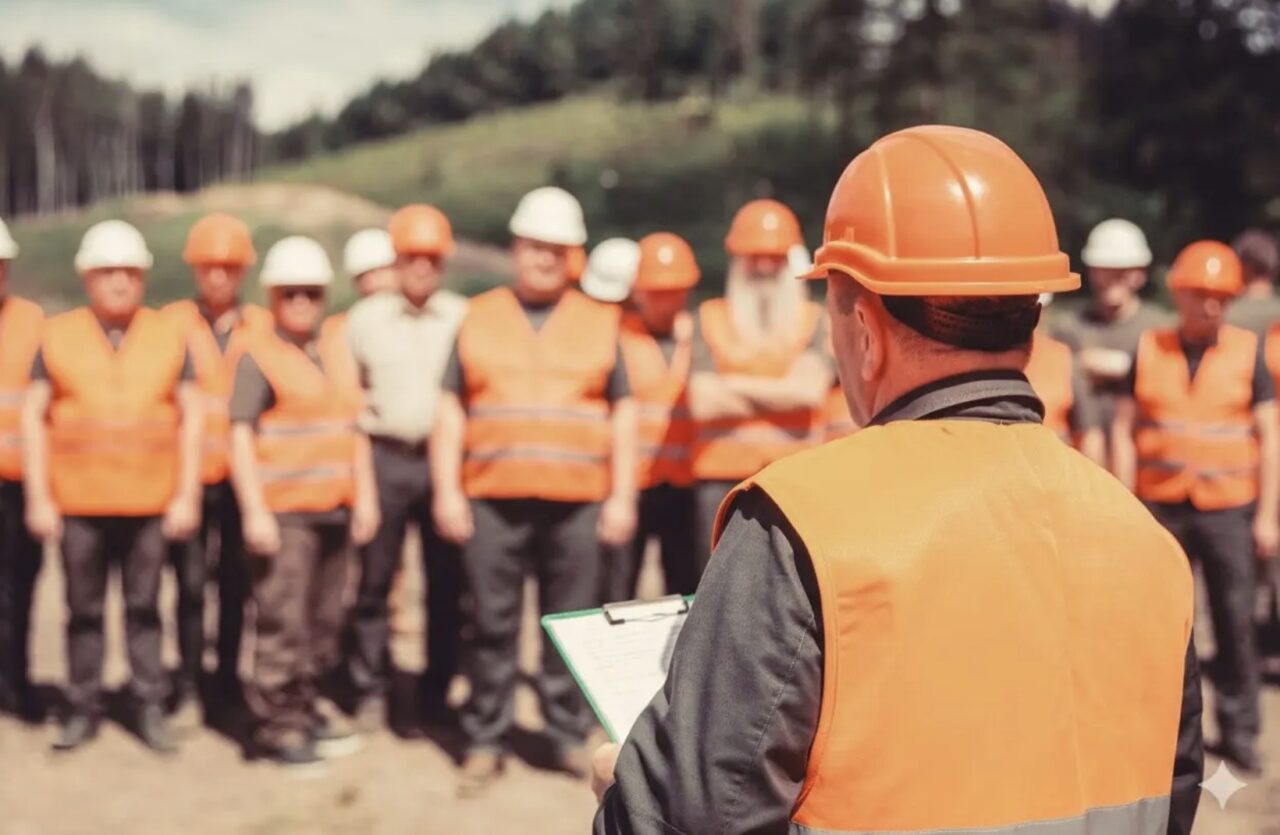
Construction workers standing in a group wearing orange vests and orange hard hats

How do you get a CSCS Card?

The process is straightforward:

1. Complete the required qualification

Depending on the card type, you’ll need a recognised construction qualification. For many labourers, this is a Level 1 Health and Safety qualification.

2. Pass the CITB Health, Safety and Environment Test

Most CSCS card applications require candidates to pass the CITB Health, Safety and Environment Test.

At TVCTA we offer the CITB Health & Safety Awareness Course. You can find out more about this course by reading our blog that explains everything you need to know about the course.

3. Apply for the correct CSCS Card

Once you’ve completed the qualification and passed the CITB test, you can apply for the appropriate card based on your occupation.

Which CSCS Card do I need?

Many workers delay their application because they aren’t sure which card is right for them.

The card you require depends on:

  • Your job role
  • Existing qualifications
  • Apprenticeship status
  • Level of experience

If you are unsure which CSCS card you may need, we have written a full guide on the different CSCS Cards.

Why having a CSCS Card can improve your career prospects

Even though it isn’t a legal requirement, holding a valid CSCS card demonstrates professionalism and commitment to health and safety.

Benefits include:

  • Access to more construction sites
  • Increased job opportunities
  • Better employability
  • Greater confidence from employers
  • Easier progression into skilled trades and supervisory roles

Many recruiters actively advertise positions requiring valid CSCS cards, making them a valuable asset for anyone entering the industry.

Get construction ready with TVCTA

If you’re planning a career in construction, obtaining the correct CSCS card can significantly improve your chances of finding work and gaining access to construction sites.

At TVCTA, we provide construction training and health & safety courses designed to help learners gain the qualifications they need to progress within the industry.

Whether you’re looking to obtain your first CSCS card, complete CITB training, or progress into supervisory and management roles through SSSTS and SMSTS qualifications, our experienced trainers can help you take the next step. Contact us for more information.

Share this post