What are the Most Important Construction Site Safety Essentials

Construction sites are busy, constantly changing environments where multiple trades, contractors, vehicles and pieces of equipment may be working at the same time. With so many potential hazards, construction site safety needs to be a priority for everyone, from site managers and supervisors to contractors, apprentices and individual workers.

Good health and safety isn’t simply about wearing a hard hat and high-visibility clothing. It involves identifying hazards, assessing risks, providing appropriate training, maintaining safe working practices and making sure everyone understands their responsibilities.

In this guide, we’ll look at the essential construction site safety measures every construction business and worker should understand, including the importance of training, PPE, site inductions, risk assessments and emergency procedures.
Why is Construction Site Safety Important?

Construction work can involve a wide range of hazards, including working at height, moving vehicles, machinery, electricity, hazardous substances, manual handling, dust, noise and falling objects.

The Health and Safety Executive (HSE) recommends that construction businesses identify health and safety risks, assess their significance, put appropriate controls in place and regularly review whether those controls are working effectively.

Effective construction site safety can help to:

  • Reduce accidents and injuries
  • Protect workers and members of the public
  • Reduce occupational ill health
  • Improve site organisation
  • Ensure workers understand their responsibilities
  • Support compliance with health and safety requirements
  • Create a stronger safety culture across the business

For construction companies looking to strengthen their approach to workplace safety, TVCTA’s construction training courses⁠ provide access to a wide range of relevant training options.

1. Carry out proper risk assessments

One of the foundations of construction site safety is understanding the risks associated with the work before it begins.

A risk assessment should consider the hazards associated with particular tasks and identify suitable measures to eliminate or control those risks. The complexity of the assessment should reflect the size and nature of the project and the risks involved.

Risk assessments shouldn’t simply be completed and forgotten. Conditions on construction sites can change quickly, so controls should be reviewed when circumstances change.

2. Make sure everyone receives a site induction

A site induction is an essential part of introducing workers and visitors to the specific risks and rules of a construction site.

The HSE states that construction sites require site rules and site inductions, with inductions highlighting relevant site-specific risks and control measures.

A suitable induction may cover:

  • Site-specific hazards
  • Emergency procedures
  • First-aid arrangements
  • Accident and incident reporting
  • PPE requirements
  • Traffic management
  • Restricted areas
  • Fire prevention
  • Site rules

This is particularly important because someone who has worked safely on one construction site cannot automatically assume that the same hazards and procedures apply elsewhere.

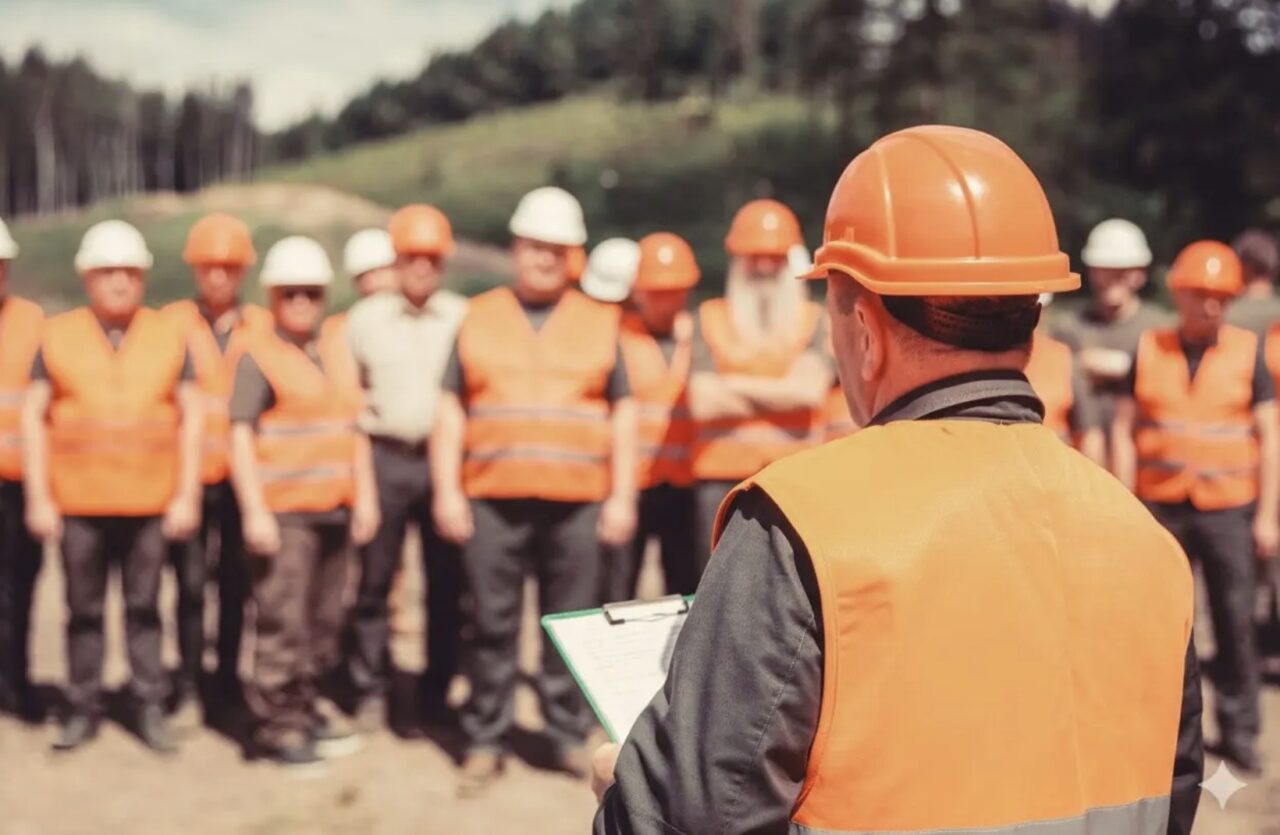
Construction workers standing in a group wearing orange vests and orange hard hats

3. Wear the correct Personal Protective Equipment (PPE)

Personal Protective Equipment, commonly known as PPE, can provide an important layer of protection where risks cannot be eliminated or adequately controlled through other measures.

Depending on the work being carried out, PPE might include:

Safety helmets
High-visibility clothing
Safety footwear
Eye protection
Gloves
Hearing protection
Respiratory protective equipment
Protective clothing

However, PPE shouldn’t be treated as the only safety measure. The HSE recommends considering ways of preventing or controlling risks first, with PPE forming part of the overall approach where appropriate.

Workers should also understand how to correctly use, maintain and look after their PPE.

4. Provide appropriate Health & Safety Training

Training is one of the most important elements of maintaining a safe construction site.

Workers need to understand the hazards associated with their work and know how to use equipment, follow procedures and respond when something goes wrong.

Employers must provide workers with appropriate information, instruction, training and supervision, including for contractors and self-employed workers where relevant.

For construction workers, useful training may include:

  • General health and safety awareness
  • Manual handling
  • First aid
  • Fire safety
  • Asbestos awareness
  • Working at height
  • Site management and supervision
  • Environmental awareness
  • Accident investigation

All of these courses can be completed with TVCTA.

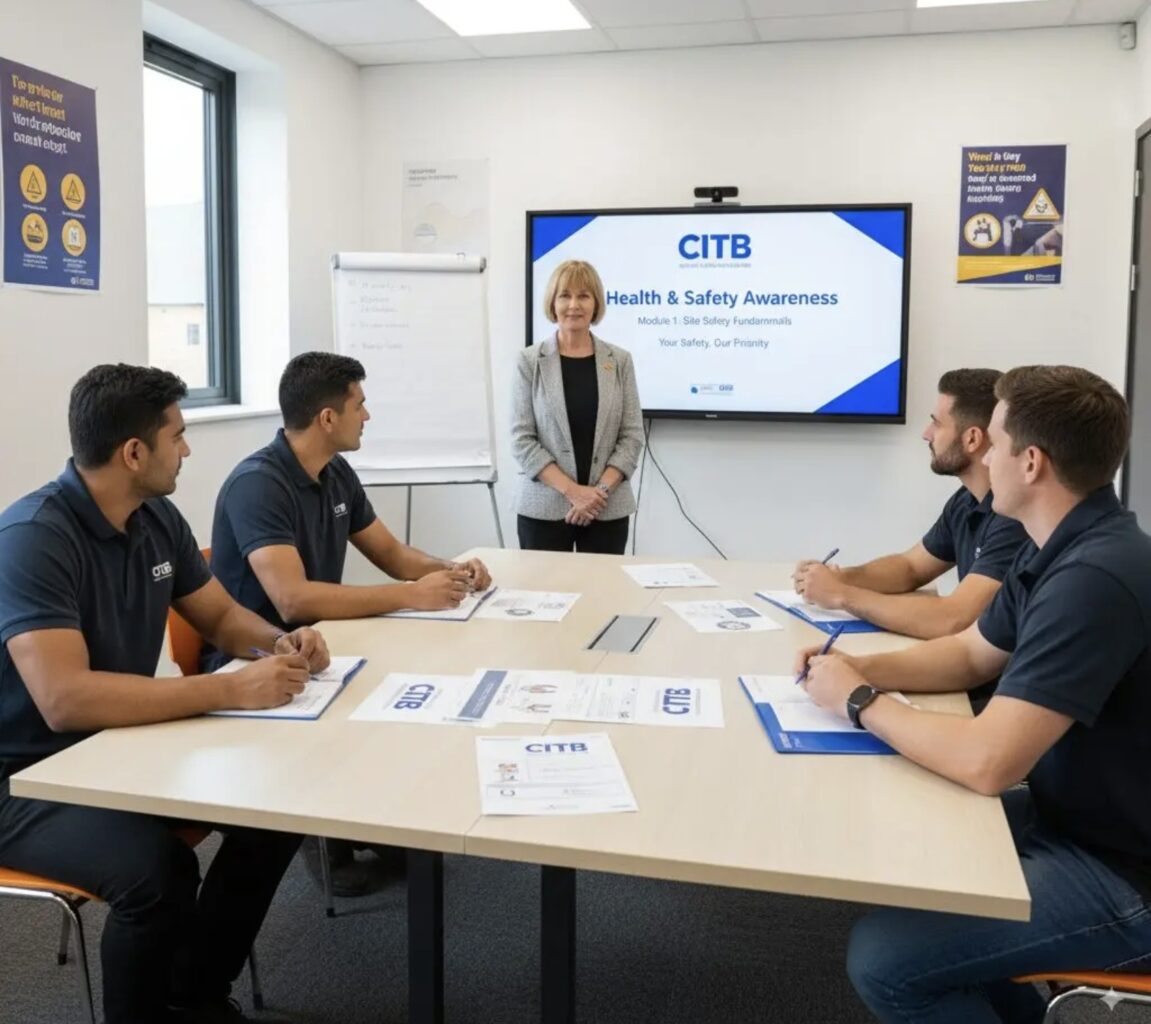
For workers who would like to understand the basics of health and safety on construction sites, CITB Health & Safety Awareness training⁠ is a great start.

Men sitting round a table in a classroom for CITB health and safety class
All coloured CSCS cards laid out on a table

5. Understand the importance of CSCS cards

CSCS cards are widely used within the UK construction industry to demonstrate that an individual has the appropriate training and qualifications for their role.

While a CSCS card itself isn’t a blanket legal requirement for every person working on every construction site, many contractors and employers require workers to hold the appropriate card before allowing them onto site.

Workers should therefore understand:

  • Which CSCS card applies to their role
  • What qualifications they need
  • Whether they need to complete a health and safety test
  • How to apply
  • When their card needs renewing

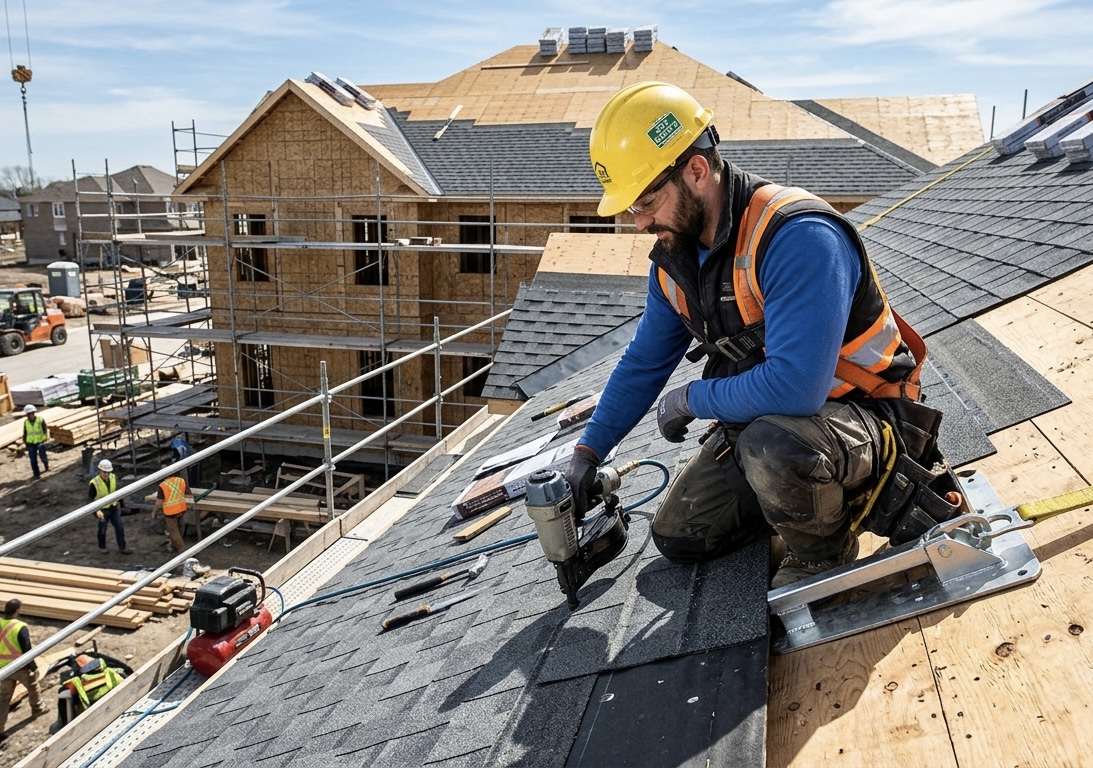
6. Take working at height seriously

Falls from height remain a major concern within the construction industry.

Before work at height begins, employers and those responsible for the work should consider whether the task can be avoided and, where it cannot, how the risk of falling can be prevented or controlled.

Depending on the task, this may involve appropriate platforms, edge protection, scaffolding, access equipment and fall protection systems.

Workers should never assume that a task is safe simply because they have completed it many times before. Conditions, equipment and working environments can change. At TVCTA we offer a working at heights training course.

roofer working on a building site

7. Control vehicle and plant movements

Construction sites can contain excavators, telehandlers, dumpers, cranes, delivery vehicles and other mobile plant.

Separating pedestrians and vehicles wherever reasonably practicable can significantly reduce the risk of collisions.

Good site arrangements may include:

  • Clearly defined pedestrian routes
  • Designated vehicle routes
  • Speed restrictions
  • Reversing controls
  • Clearly marked exclusion zones
  • Adequate lighting
  • Competent operators

Workers should also understand the site’s traffic management arrangements during their induction.

8. Don’t ignore hazardous substances and asbestos

Construction workers can encounter hazardous substances during many different activities, including demolition, refurbishment, painting, cleaning and the use of construction products.

Dust is another significant consideration. Some construction tasks can produce airborne dust that may pose serious health risks if it isn’t adequately controlled.

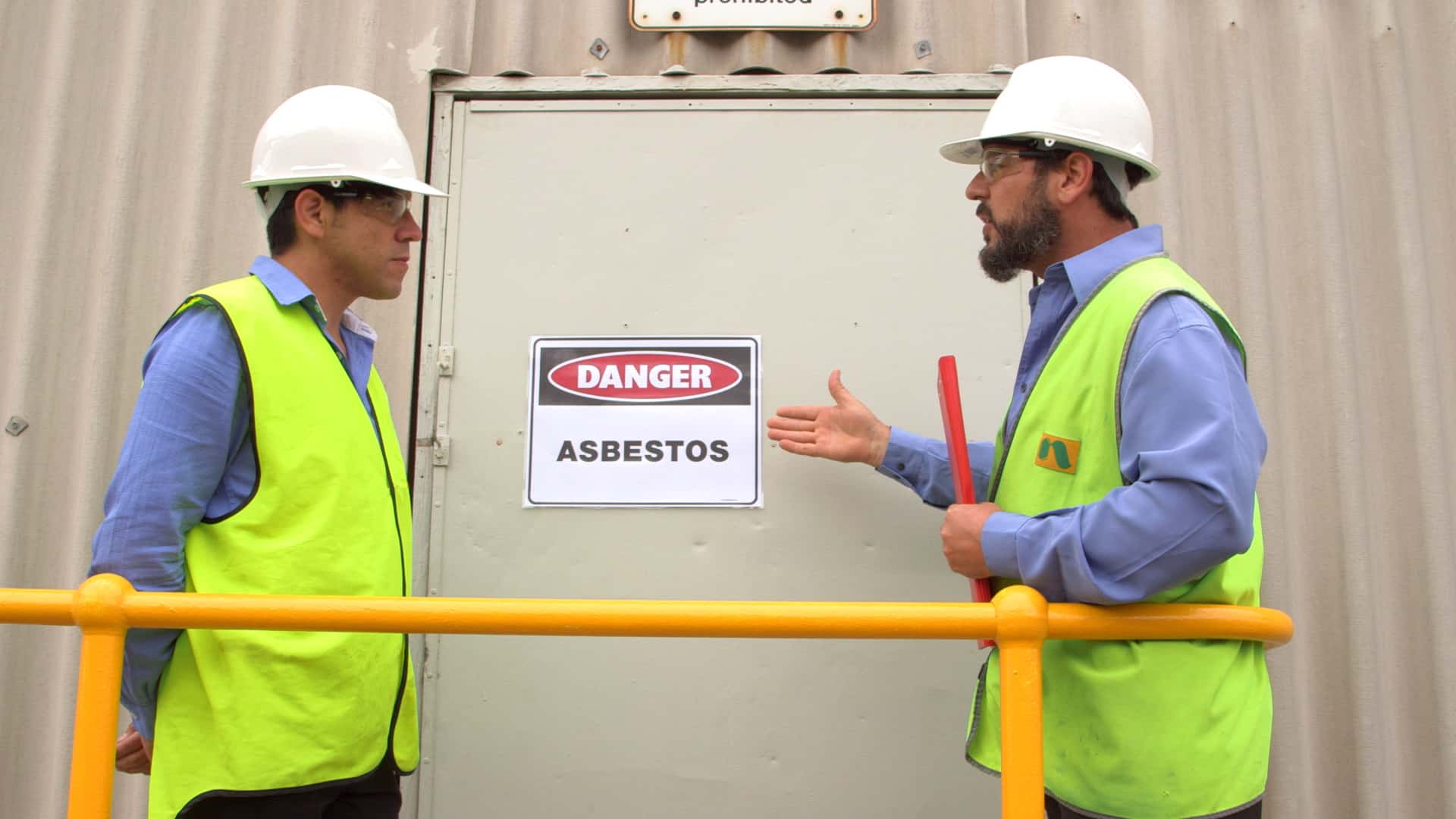
Older buildings can also contain asbestos-containing materials. Workers who could encounter asbestos through their work need appropriate awareness and, where applicable, more specific training depending on the work being undertaken. Asbestos Awareness training is a great place to start. We also have a written article on if asbestos awareness training is a legal requirement, this guide is very helpful to the understanding of the importance of this training.

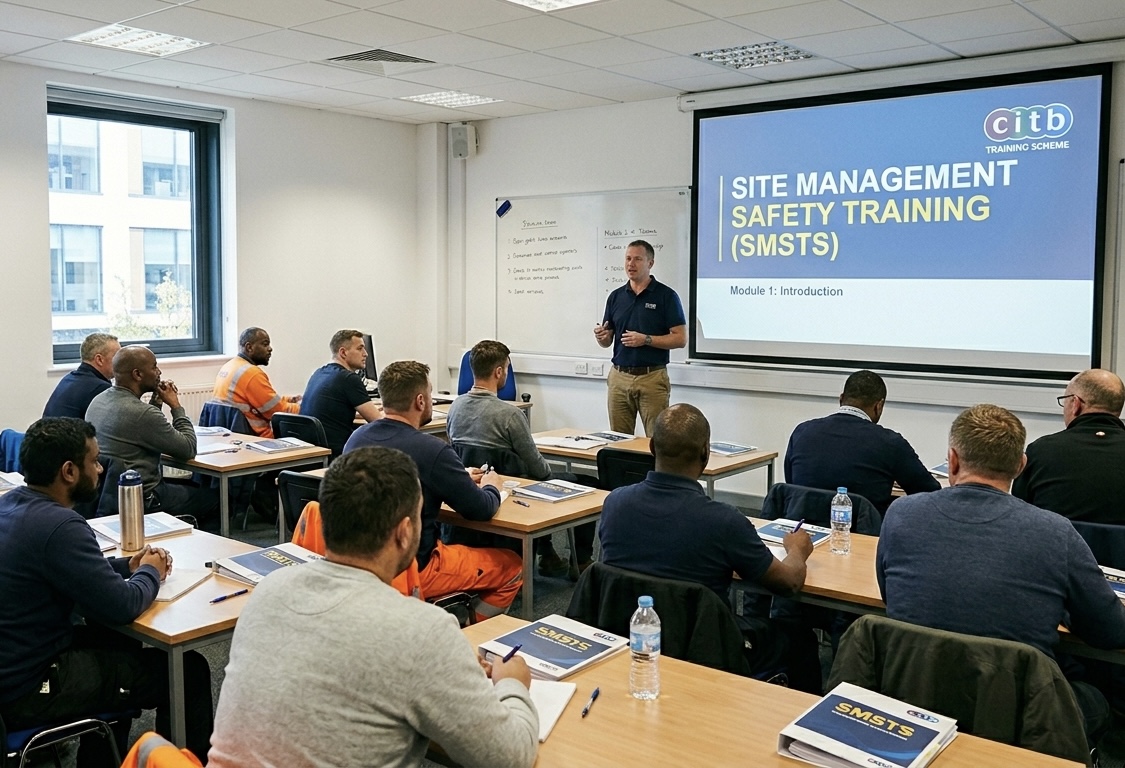
classroom full of people with main whiteboard reading site management safety training scheme (smsts)

9. Make sure supervisors and managers are properly trained

Good construction site safety depends on effective supervision and management as well as individual workers following the rules.

Site managers and supervisors often have additional responsibilities for planning, monitoring and coordinating construction work.

This is where management-level training can make a significant difference.

For example, TVCTA offers SMSTS training⁠ for site managers and experienced construction professionals, and we also offer SSSTS training. The distinction between SMSTS and SSSTS is explained in our guide: SMSTS vs SSSTS: Which Course Do You Need?⁠.

Choosing the right training for the individual’s role helps ensure that people have the knowledge they need to manage their responsibilities effectively.

10. Review safety measures regularly

Construction sites are constantly evolving.

A site may look completely different from one week to the next, with new trades arriving, equipment changing, materials being delivered and new phases of work beginning.

Safety arrangements should therefore be reviewed regularly rather than assuming that the original plan will remain suitable throughout the project.

The HSE recommends monitoring controls to ensure they remain effective and taking action when problems are identified.

A strong safety culture means workers should feel able to report hazards and raise concerns without being discouraged from doing so.

Construction Site Safety: Training is part of the solution

A safe construction site requires more than PPE and warning signs. It relies on good planning, effective risk controls, competent supervision and workers who understand how to carry out their jobs safely.

From health and safety awareness and manual handling to first aid, asbestos awareness and site management, the right training can help construction businesses build a more knowledgeable and safety-conscious workforce.

If you’re responsible for training within a construction company, take a look at TVCTA’s full range of construction training courses⁠ to find out how the association can support your business. Or contact us today for any questions or inquiries!

Share this post